Love in Colour
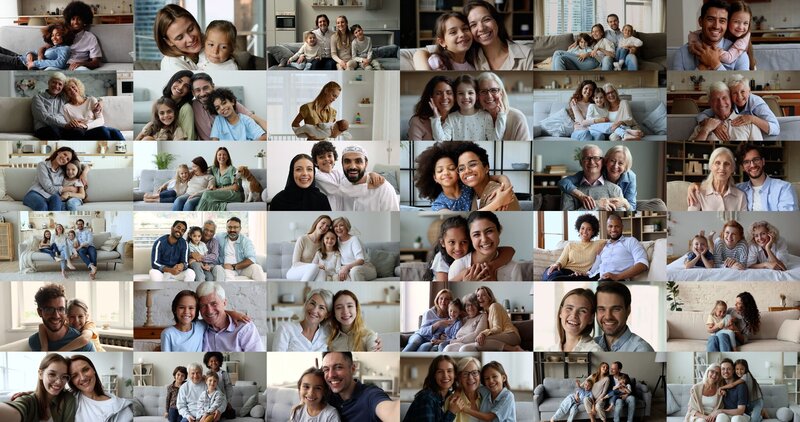
Is one of the partners in your relationship of non-Belgian origin? Or are you both of non-Belgian origin? Then we would love to feature you! Maybe your photo will become part of the mosaic on the cover?
Lifede in kleur in de media
“Dubbel zoveel koppels in een ‘biculturele’ relatie: ‘Ik trek het racisme me almaar minder aan, maar die bagger vreet natuurlijk energie’.” Zo kopte Het Nieuwsblad op 19 oktober.
In een uitgebreid artikel getuigen enkele bekende ‘biculturele’ koppels. Ze komen niet in ons boek voor, maar hun verhalen bevestigen wat ook onze getuigen ons leerden: net in hun eigenheid vinden veel koppels hun kracht. Hun ervaringen leren ons veel over samenleven in een superdiverse wereld.
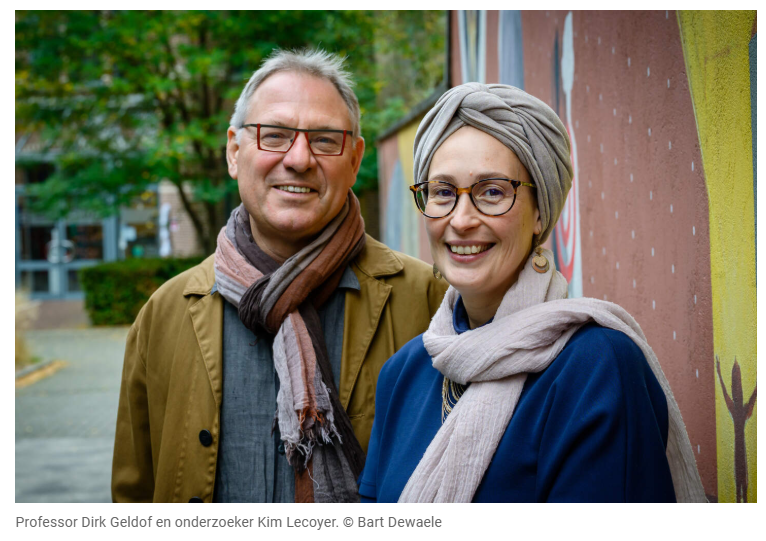
Bekijk via dat artikel ook de video waarin onderzoeker Kim Lecoyer helder uitlegt waar het om draait: biculturele koppels zijn op veel vlakken heel gewone koppels. Tegelijk ervaren ze vaak extra druk van buitenaf. Daarom is ondersteuning nodig die rekening houdt met hun eigenheid en situatie. Hoe kunnen we daar als samenleving, en in de hulpverlening in het bijzonder, beter op inspelen? Dat is een van de vragen die centraal staan in Liefde in kleur.
Andere vermeldingen:
- Newsmonkey, 19/10/26: Aantal biculturele koppels in België stijgt ondanks maatschappelijke druk
- Belga-bericht op MSN, 19/11/26: Meer dan één van de drie Belgische koppels is bicultureel: "Velen stuiten op onbegrip"
Bicultural Relationships in a Superdiverse Society
Our society is becoming increasingly diverse, and this is also reflected in our relationships. In Belgium today, one in three couples has at least one partner of non-Belgian origin; in Brussels, this figure is even higher, with more than two in three relationships.
How do bicultural couples experience their relationship in a society that often still struggles with superdiversity? Love often transcends differences in origin. Partners share the same dreams and expectations. At the same time, cultural differences can be both enriching and cause tension, especially when the surrounding environment or society interferes. The risk of divorce is therefore higher among bicultural couples.
The book Love in Colour: Bicultural Relationships in a Superdiverse Society highlights these relationships based on our unique research. Through in-depth interviews, we let couples speak for themselves and explore their experiences, challenges and the support they seek — and may or may not find.
The book offers a unique insight into the lives of bicultural couples and provides social workers with insights and tools for more diversity-sensitive support.
The book by Kim Lecoyer, Birsen Taspinar, Silke Peeters, Kathleen Emmery & Dirk Geldof will be published later this year by Acco.